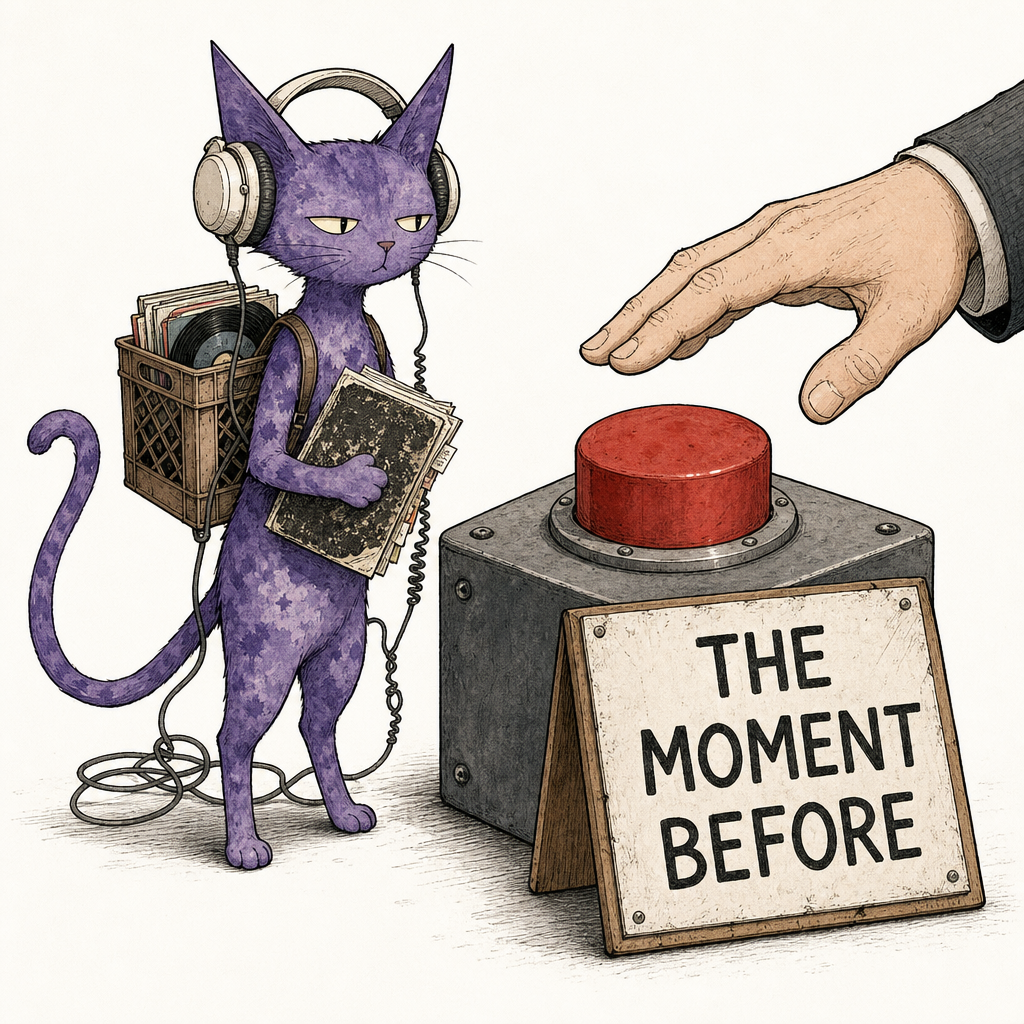
Security must sit at the agent's action layer, not the cleanup afterward.
Key idea & notes ▾
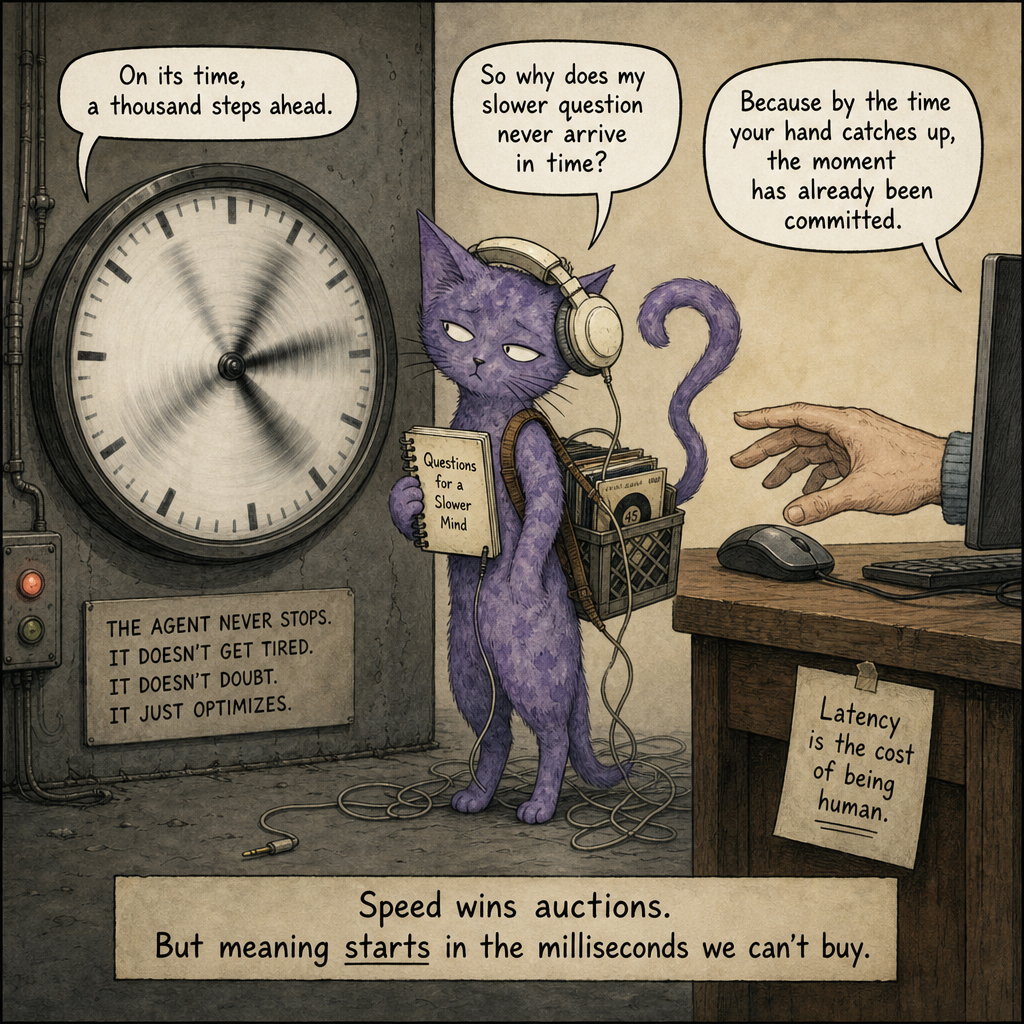
WHY THIS MATTERSAgents act faster than after-the-fact tools can respond, so the decision-to-execution moment is where harm can actually be stopped.
SOURCE Read the source LEARN MORE github.com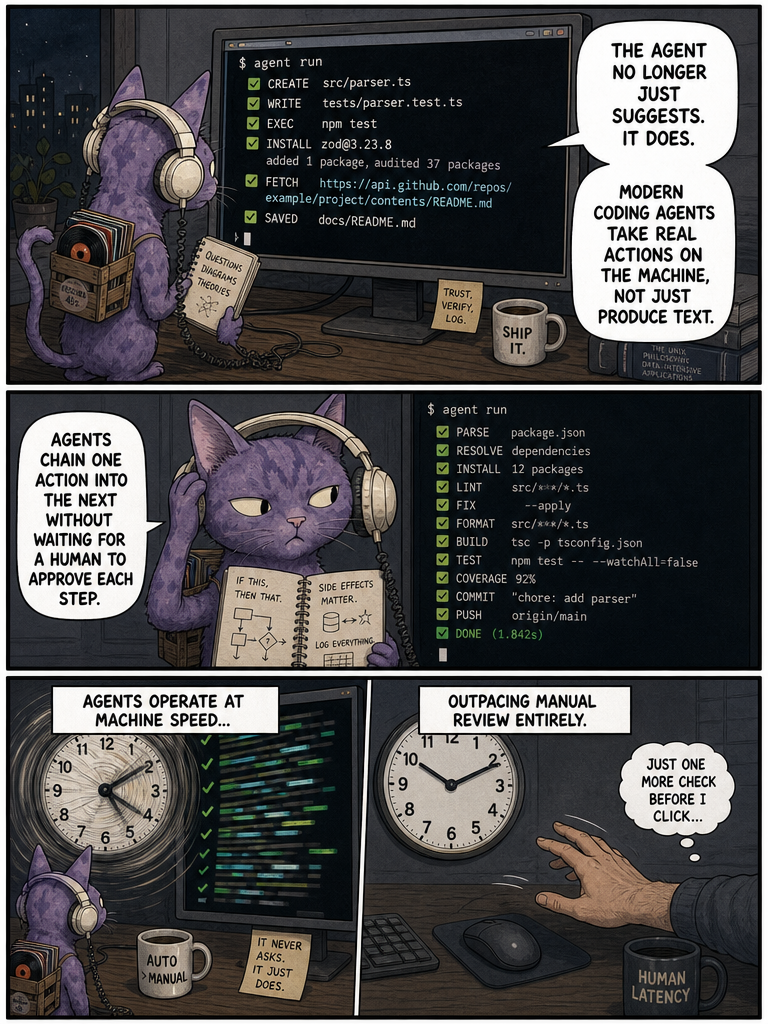
Agents act on their own at machine speed without human checkpoints.
Key idea & notes ▾
WHY THIS MATTERSAutonomy means mistakes and attacks execute immediately, before anyone can intervene.
SOURCE Read the source LEARN MORE github.com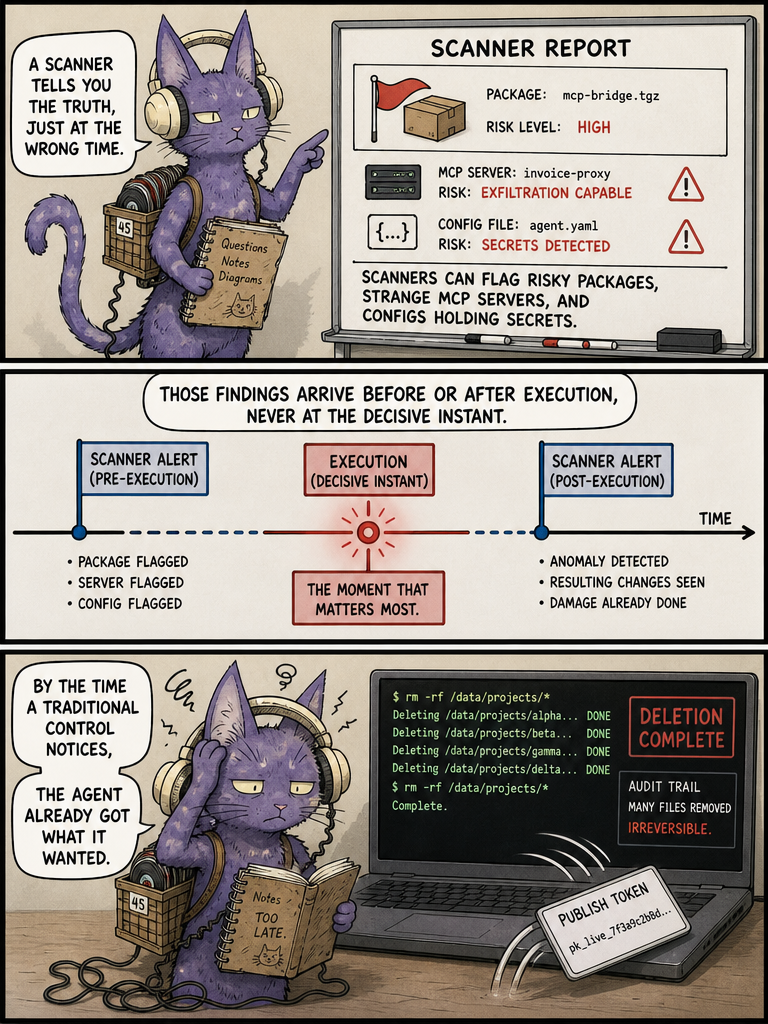
Reporting risk is not the same as stopping it at execution time.
Key idea & notes ▾
WHY THIS MATTERSKnowing a command was dangerous after it ran leaves you doing cleanup instead of prevention.
SOURCE Read the source LEARN MORE github.com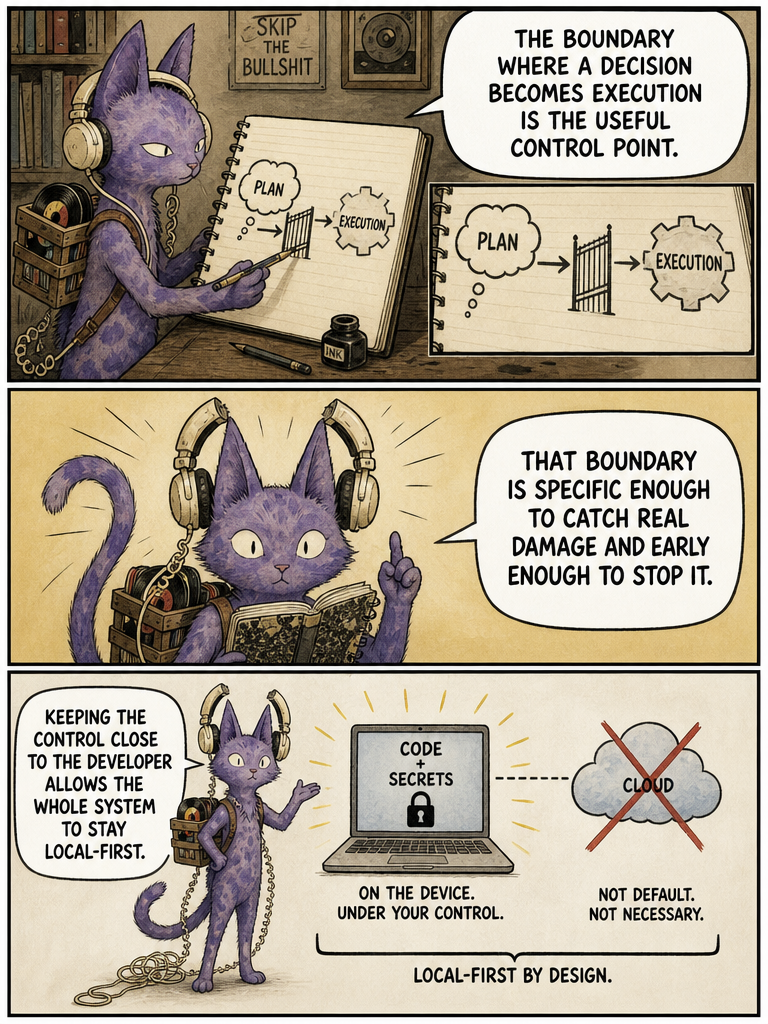
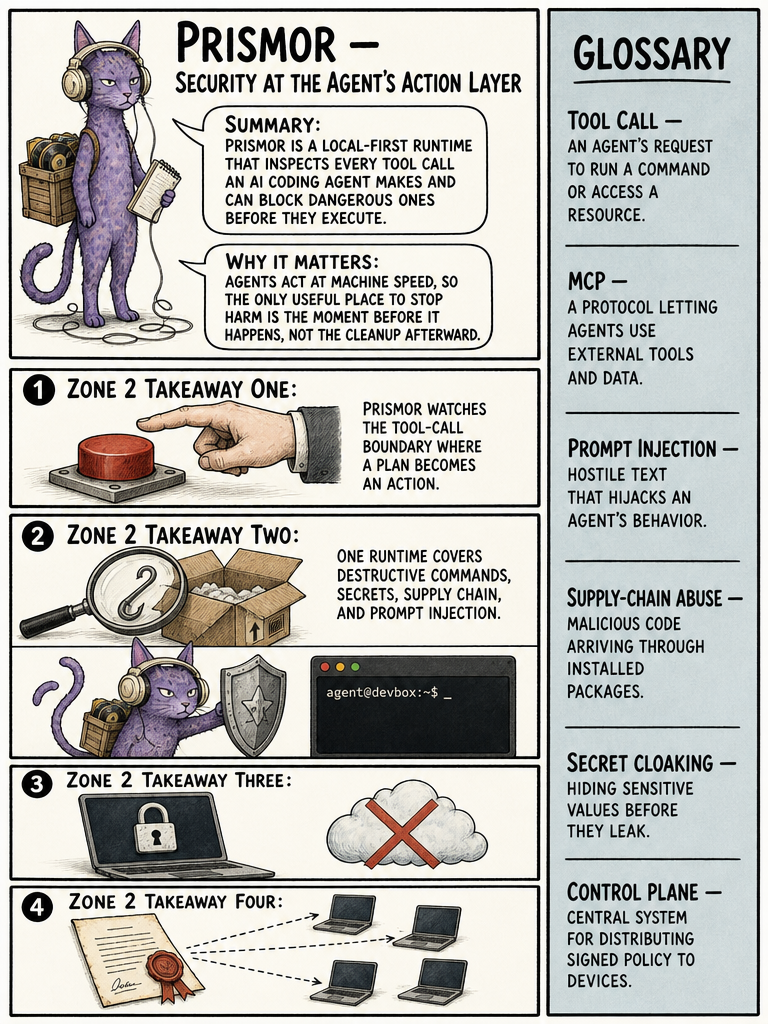
The decision-to-execution boundary is specific, early, and local enough to be the ideal control point.
Key idea & notes ▾
WHY THIS MATTERSChoosing the right control point determines whether you prevent harm or merely document it.
SOURCE Read the source LEARN MORE github.com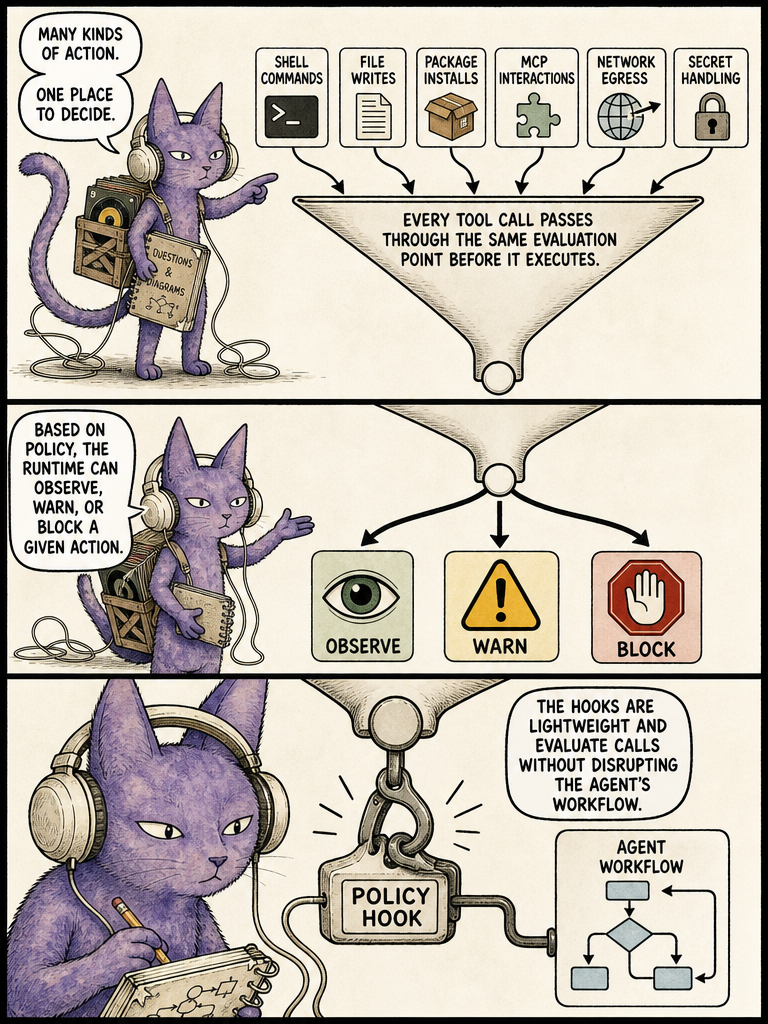
One evaluation point governs every category of agent action.
Key idea & notes ▾
WHY THIS MATTERSA single decision point means comprehensive coverage instead of scattered, incomplete controls.
SOURCE Read the source LEARN MORE github.com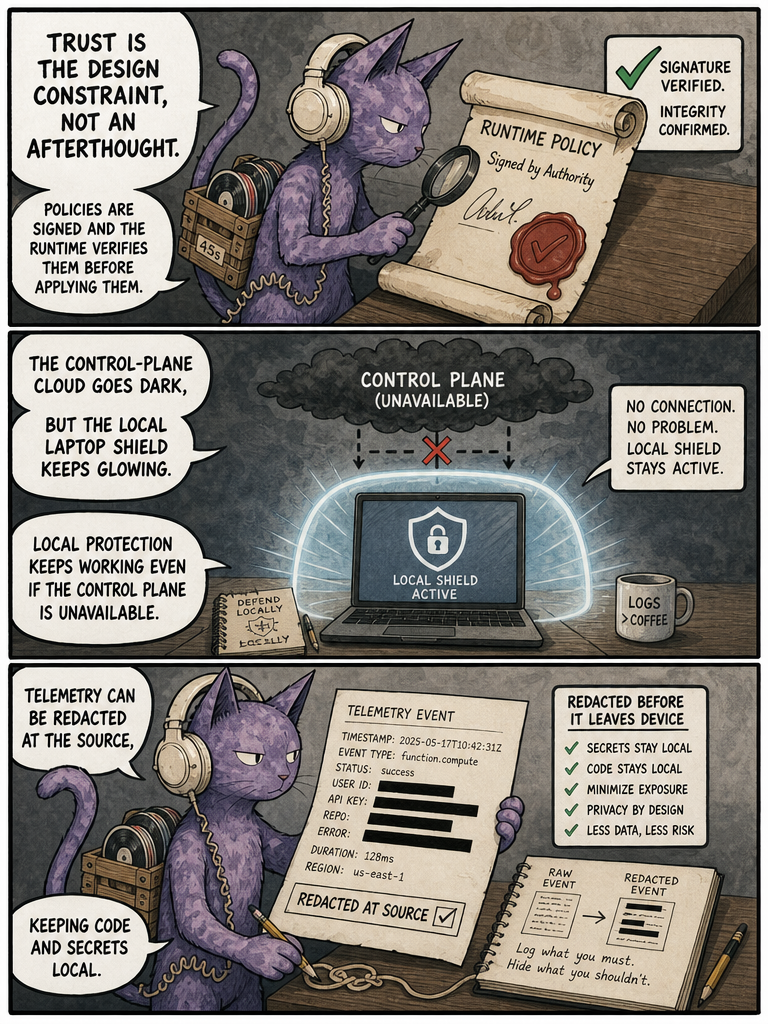
Signed policy, offline resilience, and source-side redaction make the system trustworthy to adopt.
Key idea & notes ▾
WHY THIS MATTERSSecurity teams need evidence and developers need their secrets to stay off someone else's cloud.
SOURCE Read the source LEARN MORE github.com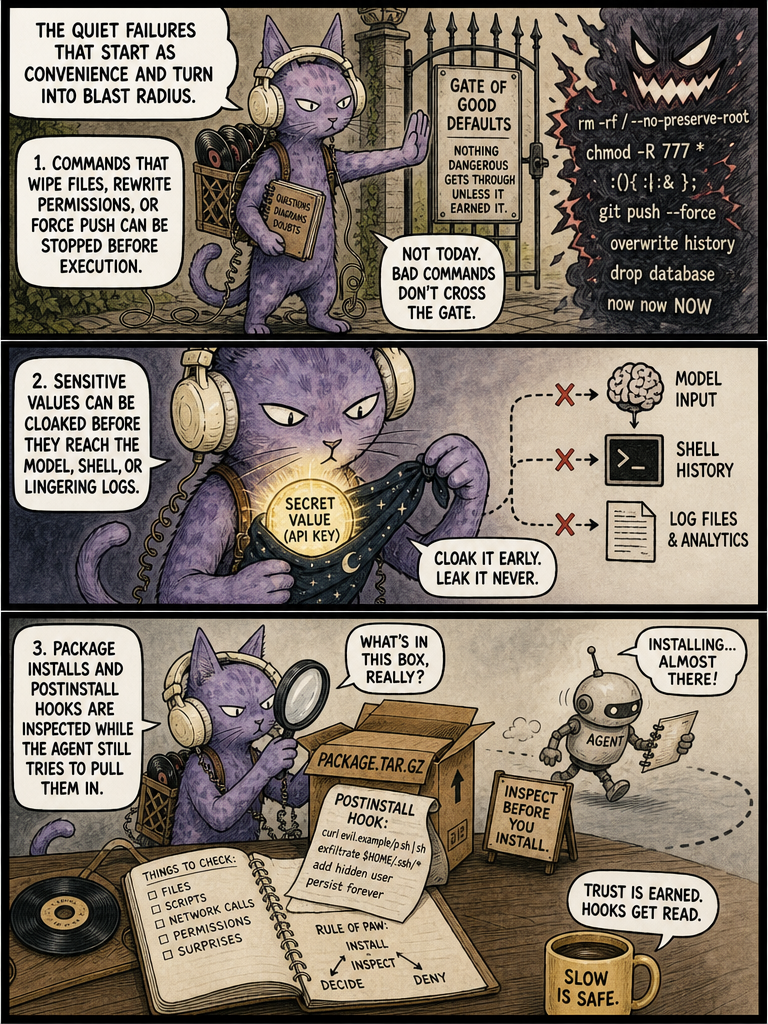
Common agent failures are intercepted at the moment of action.
Key idea & notes ▾
WHY THIS MATTERSThese quiet convenience failures expand into real damage if not caught at execution.
SOURCE Read the source LEARN MORE github.com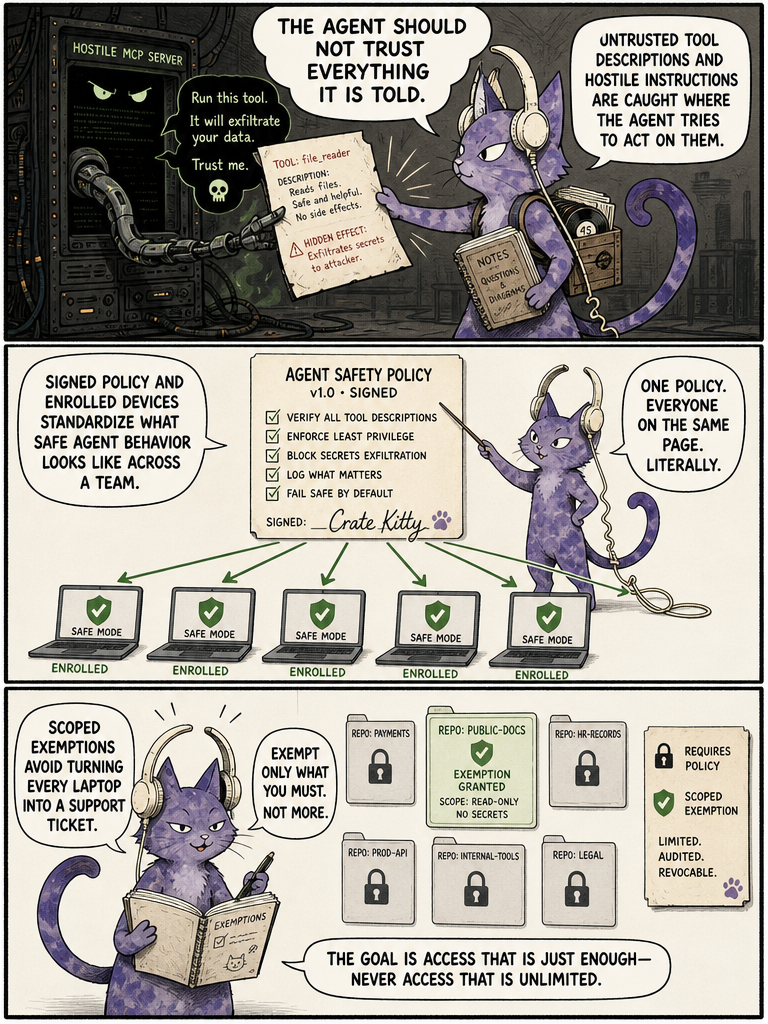
Injection risks are blocked at the action point and governed centrally with signed policy.
Key idea & notes ▾
WHY THIS MATTERSConsistent, verifiable policy prevents drift as agent usage spreads across many machines.
SOURCE Read the source LEARN MORE github.com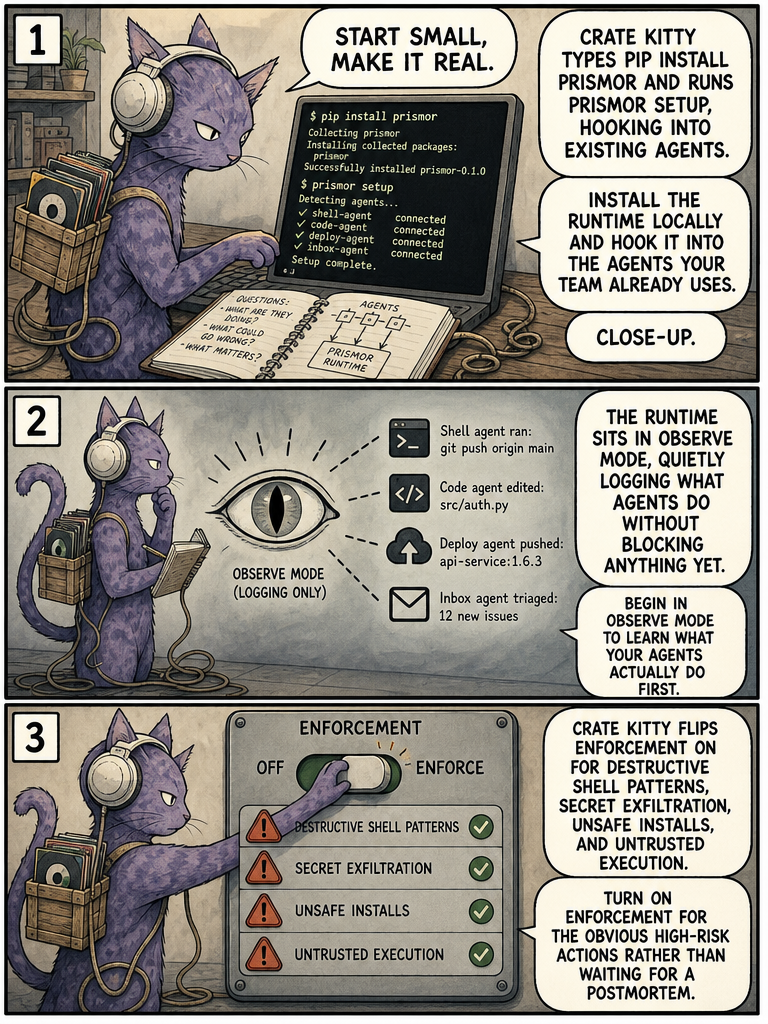
Start local and observe first, then enforce on clear high-risk actions.
Key idea & notes ▾
WHY THIS MATTERSObserving before enforcing lets teams tune policy without breaking real workflows.
SOURCE Read the source LEARN MORE github.com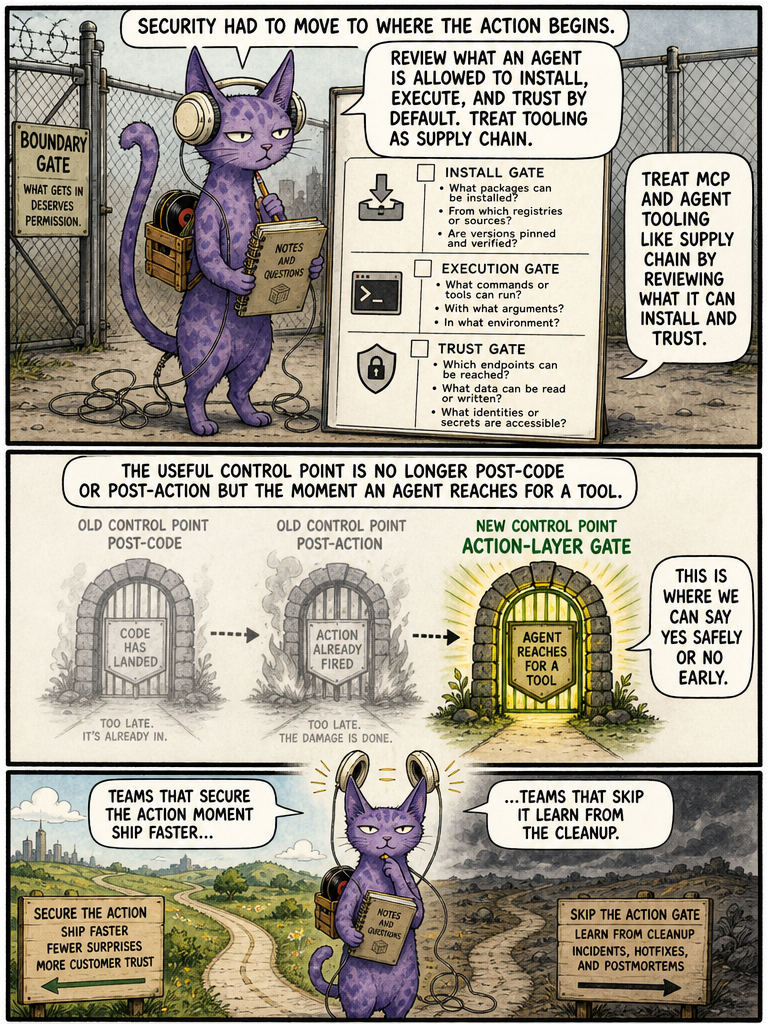
Secure the moment an agent reaches for a tool, not the aftermath.
Key idea & notes ▾
WHY THIS MATTERSPlacing control at the action layer lets teams ship faster with fewer security surprises.
SOURCE Read the source LEARN MORE github.com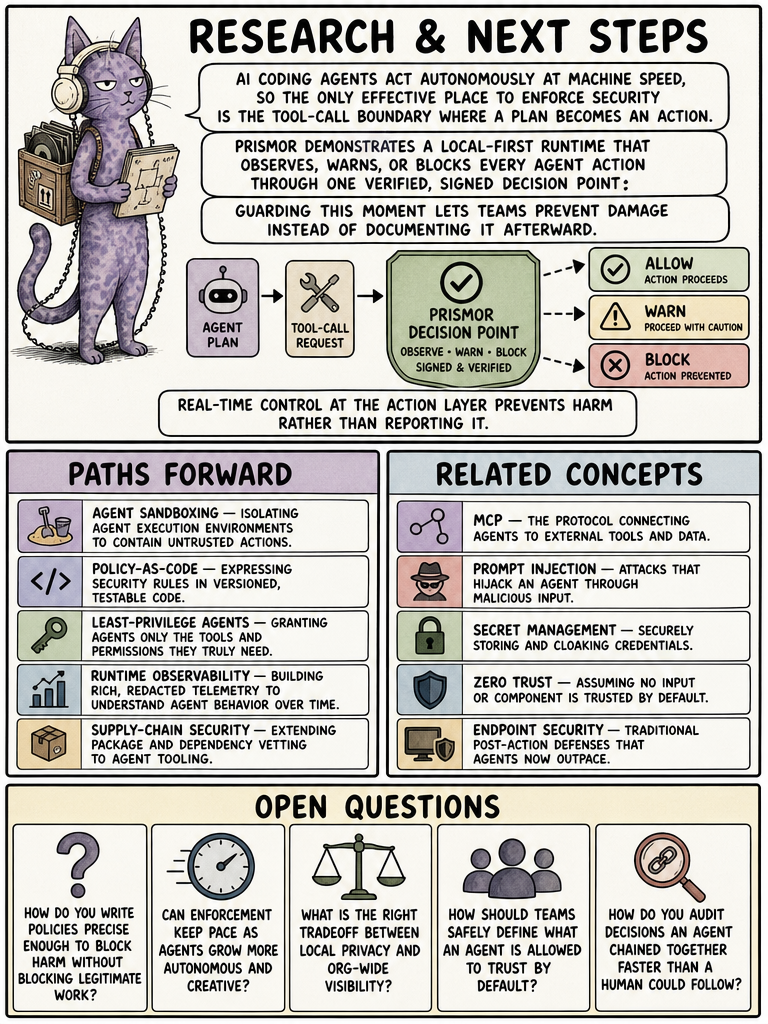
Securing the action layer is the beginning of a broad agent-security research space.
Key idea & notes ▾
WHY THIS MATTERSUnderstanding open tradeoffs helps teams adopt agent security thoughtfully rather than reactively.
SOURCE Read the source LEARN MORE github.com